
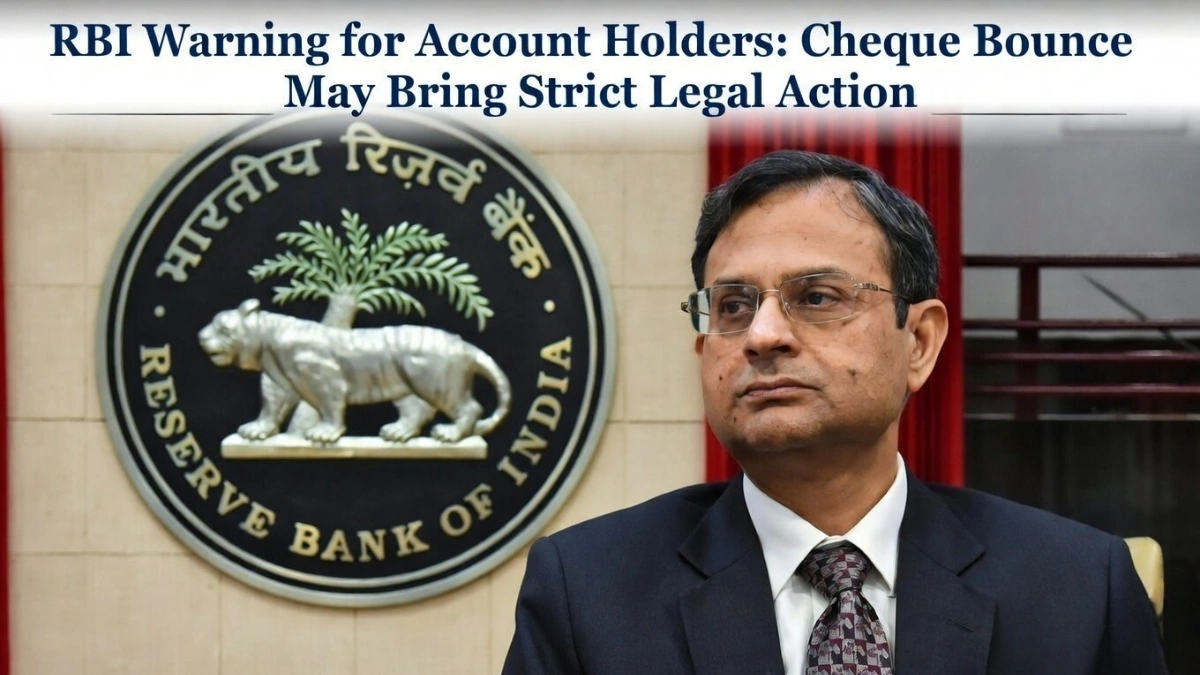
A major banking alert is creating concern among account holders as stricter rules surrounding cheque bounce cases gain attention in 2026. Financial authorities have been emphasizing stronger enforcement of cheque bounce regulations to improve financial discipline and prevent misuse of cheque payments. With tougher penalties and legal consequences already defined under existing laws, individuals and businesses are being urged to ensure sufficient funds before issuing cheques.
Cheque bounce cases have long been treated as serious financial offences because they can disrupt trust in banking transactions. The renewed focus on stricter enforcement means that people who issue cheques without maintaining adequate balance could face significant penalties and even legal action.
Why Cheque Bounce Cases Are Treated as Serious Offences
A cheque bounce occurs when a bank refuses to process a cheque due to insufficient funds, signature mismatch, account closure, or other banking issues. Among these reasons, insufficient balance is the most common cause.

Cheque payments are widely used in business transactions, loan repayments, and personal financial commitments. When a cheque is dishonored, it can create financial losses and legal disputes for the receiving party. Because of this, laws have been established to protect the credibility of cheque based transactions and ensure accountability for individuals who issue cheques.
Legal Framework Governing Cheque Bounce Cases
Cheque bounce cases in India are governed under provisions of the Negotiable Instruments Act. According to the law, issuing a cheque that gets dishonored due to insufficient funds can result in legal proceedings against the issuer.
Before legal action begins, the recipient of the cheque typically sends a legal notice demanding payment within a specified period. If the payment is not made after receiving the notice, the recipient may file a case in court. The law aims to ensure that cheque transactions remain reliable and that parties involved in financial agreements fulfill their commitments.

Possible Penalties in Cheque Bounce Cases
| Type of Penalty | Possible Consequence |
|---|---|
| Monetary Penalty | Fine that may extend up to double the cheque amount |
| Legal Action | Case can be filed under the law governing cheque dishonor |
| Imprisonment | Jail term of up to two years in serious cases |
| Financial Liability | Issuer may need to repay the cheque amount with penalties |
These penalties highlight the seriousness of issuing a cheque without maintaining sufficient funds.
Why the Issue Is Getting Attention in 2026
In recent years, financial regulators and banks have been focusing on improving the reliability of banking transactions. Digital payments have grown rapidly, but cheques are still widely used in business and legal agreements.
Because cheque transactions involve financial commitments, authorities continue to emphasize strict compliance with banking rules. Increased awareness about cheque bounce penalties is intended to reduce financial disputes and strengthen trust in payment systems. The discussions in 2026 have therefore highlighted the importance of responsible financial practices.

How Account Holders Can Avoid Cheque Bounce Problems
The most effective way to avoid cheque bounce issues is to ensure that sufficient funds are available in the account before issuing a cheque. Account holders should regularly monitor their account balance and track upcoming payments. Using digital banking tools such as mobile apps and online banking platforms can help individuals check their account balance quickly and avoid mistakes.
Businesses that frequently use cheque payments should also maintain proper financial records and verify funds before issuing cheques to suppliers or partners.
Why Financial Awareness Is Important
Cheque bounce cases often occur because of financial mismanagement or lack of awareness about banking rules. Increasing awareness about legal consequences encourages individuals and businesses to follow responsible financial practices. Banks and financial institutions continue to educate customers about payment discipline to ensure that cheque transactions remain trustworthy.

By understanding the risks and responsibilities involved in cheque payments, account holders can avoid legal complications and maintain smooth financial relationships.
Conclusion
The renewed attention on cheque bounce regulations in 2026 serves as a reminder of the importance of financial responsibility in banking transactions. Issuing cheques without maintaining sufficient balance can lead to heavy penalties, legal disputes, and even imprisonment in serious cases. By staying informed and managing bank accounts carefully, individuals and businesses can avoid cheque bounce issues and ensure reliable financial transactions.
Disclaimer: This article is for informational purposes only. Legal outcomes in cheque bounce cases may vary depending on individual circumstances and court decisions.