
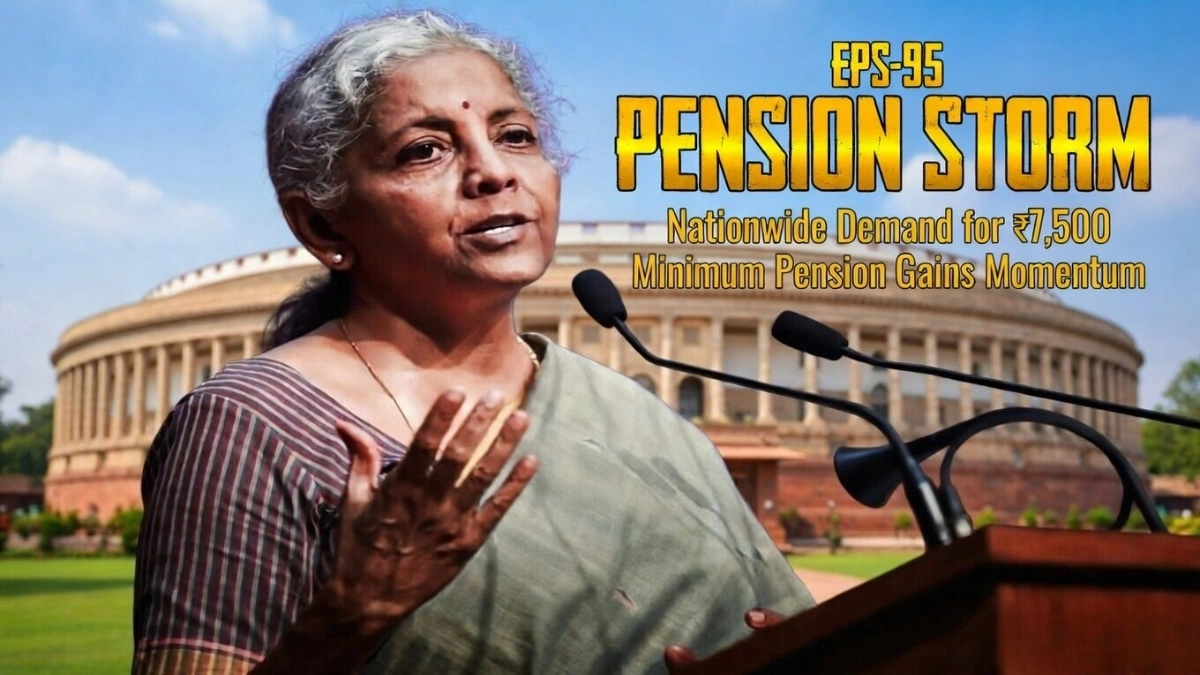
The demand for a ₹7,500 minimum pension under the EPS-95 scheme has once again taken center stage in 2026, sparking a nationwide debate among retirees, pensioners, and policymakers. Thousands of retired workers who contributed to the Employees’ Pension Scheme (EPS-95) are urging the government to revise the minimum pension amount, arguing that the current pension levels are too low to meet basic living expenses.
With rising inflation, healthcare costs, and daily living expenses increasing steadily, pensioners across India believe that a substantial revision is necessary to ensure financial security in their retirement years. The renewed discussions around the EPS-95 pension hike have created widespread attention among retirees who depend on these payments as their primary source of income.
What Is the EPS-95 Pension Scheme
The Employees’ Pension Scheme (EPS-95) was introduced in 1995 by the government to provide pension benefits to employees working in organized sectors. The scheme is managed by the Employees’ Provident Fund Organisation (EPFO) and covers millions of workers across India.
Under this system, employees contribute a portion of their salary toward retirement benefits during their working years. After retirement, they receive a monthly pension based on their contributions and service period. While the scheme was designed to offer financial security to retired workers, many pensioners say that the current minimum pension amount does not adequately cover essential living costs.

Why Pensioners Are Demanding ₹7,500 Minimum Pension
Pensioners have been raising concerns about the adequacy of the existing pension structure for several years. The current minimum pension under the EPS-95 scheme is considered by many retirees to be insufficient for managing everyday expenses.
The demand for ₹7,500 minimum pension along with additional benefits such as dearness allowance has gained strong support among pensioners across the country. Retiree organizations argue that increasing the pension amount would help senior citizens meet rising costs related to healthcare, housing, and food. Many pensioners rely entirely on their pension income and have limited additional financial support.
Nationwide Protests and Campaigns
The demand for pension revision has led to various campaigns and demonstrations organized by pensioners’ associations in different parts of India. Retired workers have been actively engaging with policymakers and government officials to highlight their concerns. Many groups have organized meetings, rallies, and awareness campaigns to bring attention to the issue.
The growing participation in these movements shows how strongly pensioners feel about the need for pension reforms. These campaigns have also increased public awareness about the challenges faced by retired workers living on limited pension amounts.

Possible Government Considerations
Although no final decision has been announced yet, discussions around the EPS-95 pension revision are ongoing. Policymakers are evaluating the financial implications of increasing the minimum pension amount.
Any decision to revise pension levels would require careful financial planning, as it could affect millions of beneficiaries and involve significant government expenditure. Authorities may also explore alternative solutions such as phased pension increases or targeted support for economically weaker pensioners.
Potential Impact of Pension Increase
If the minimum pension is increased to ₹7,500, it could significantly improve the financial stability of retired workers. Higher pensions would help pensioners manage essential expenses more comfortably and reduce dependence on family members or other sources of income. The revision could also strengthen social security for elderly citizens who contributed to the workforce for decades.
For many retirees, such an increase would represent long-awaited recognition of their years of service and contributions.

Key Demands Raised by Pensioners
Pensioners associated with the EPS-95 scheme have outlined several key demands as part of their campaign for pension reform.
Increase minimum pension to ₹7,500
Introduce Dearness Allowance linked to inflation
Improve healthcare support for retirees
Ensure timely pension payments
Provide additional benefits for elderly pensioners
These demands highlight the broader objective of improving financial security and quality of life for retired workers.
Challenges in Implementing Pension Reforms
While pension revisions can provide major benefits for retirees, implementing such reforms also presents financial challenges. Increasing pension payouts for millions of beneficiaries requires significant government resources. Authorities must therefore consider long-term sustainability when evaluating pension reforms.

Balancing social welfare objectives with budgetary constraints is a key factor in the decision-making process. This is why discussions around EPS-95 pension revisions often involve detailed financial and policy analysis.
Public Support for Pension Reforms
The demand for higher pensions has received support not only from pensioners but also from various social organizations and labor groups. Many people believe that retired workers who contributed to the economy for decades deserve stronger financial support during their retirement years.
Public debates around pension reforms often focus on ensuring dignity and financial stability for senior citizens. As discussions continue, the issue remains an important topic in national policy debates.
Conclusion
The renewed demand for a ₹7,500 minimum pension under the EPS-95 scheme has reignited nationwide discussions about retirement security for millions of workers. Retirees are calling for pension reforms that better reflect the rising cost of living and provide adequate financial support during retirement.

While the final decision will depend on government policy and financial considerations, the debate has highlighted the importance of strengthening social security systems for elderly citizens. For millions of pensioners across India, the outcome of these discussions could have a significant impact on their financial well-being.
Disclaimer: The information in this article is based on ongoing discussions and public demands regarding the EPS-95 pension scheme. Final policy decisions will depend on official government announcements.