
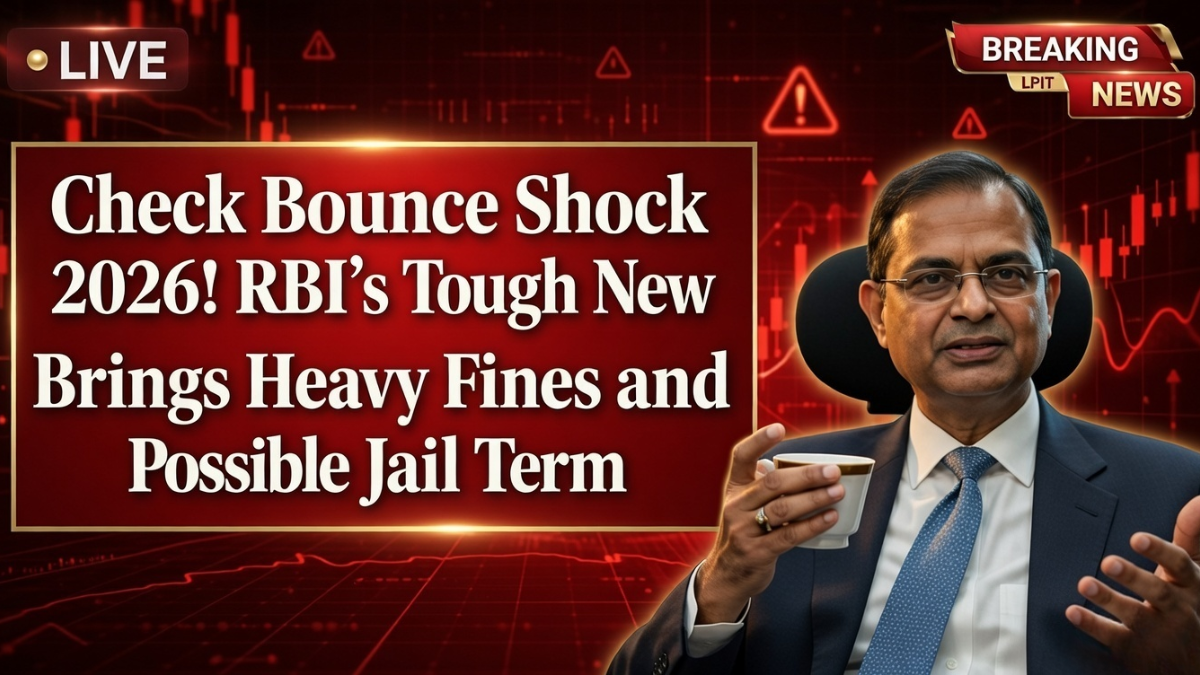
In a major financial update that is drawing nationwide attention, new regulatory changes related to cheque bounce cases are being widely discussed in 2026. With stricter compliance measures, heavier penalties, and reinforced legal consequences, the updated framework aims to strengthen financial discipline and reduce payment defaults.
Cheque bounce cases have long been a serious issue in banking and business transactions. When a cheque is returned unpaid due to insufficient funds or other reasons, it can lead to legal complications under existing laws. The latest update emphasizes tighter enforcement, clearer timelines, and stronger deterrence to ensure accountability.
What Is the New Check Bounce Policy About
The updated policy framework reinforces existing legal provisions governing dishonored cheques. Financial institutions have been instructed to follow stricter reporting standards and compliance checks when handling returned cheques.
Under the current legal structure, cheque bounce cases are governed by provisions of the Negotiable Instruments Act. The updated 2026 guidance focuses on faster resolution, stricter penalties for repeated offenders, and improved documentation processes.
Banks are also required to issue prompt notifications to both the issuer and the payee when a cheque is dishonored.
Fines and Legal Consequences Explained
If a cheque is dishonored due to insufficient funds, the issuer may face financial penalties and legal action. Courts can impose fines that may extend up to double the cheque amount in certain circumstances.
In serious cases, imprisonment may be ordered depending on judicial assessment. The maximum jail term under applicable laws can extend up to two years, subject to case details and court rulings.
The updated policy stresses that repeated violations may attract stricter scrutiny and faster prosecution timelines.
Timeline After a Cheque Bounce
When a cheque is returned unpaid, the payee must issue a formal demand notice to the issuer within a specified time period. The issuer is then given a limited window to clear the payment.
If payment is not made within that time frame, the payee may file a legal complaint in court. The 2026 update emphasizes digital tracking and improved coordination between banks and legal systems to streamline the process.
Timely communication and compliance are critical to avoiding escalation.
Why the Policy Is Being Strengthened
Cheque-based transactions remain common in business and real estate sectors. Payment defaults not only affect individuals but also disrupt commercial trust.
By tightening enforcement measures, authorities aim to discourage deliberate defaults and improve financial reliability. The updated guidelines are also aligned with broader efforts to enhance transparency and accountability in financial transactions.
Improved compliance mechanisms are expected to reduce case backlogs and ensure faster dispute resolution.
Impact on Businesses and Individuals
Businesses that rely on post-dated cheques or large-value cheque payments must exercise greater caution. Ensuring sufficient funds before issuing cheques is now more important than ever.
Small traders and individuals should maintain proper financial planning to avoid accidental dishonor due to insufficient balance.
Frequent cheque bounce incidents can negatively affect creditworthiness and banking relationships. Banks may impose additional charges or restrictions in cases of repeated violations.
Bank Charges and Penalties
Apart from legal consequences, banks may levy service charges when a cheque bounces. These charges vary by institution but can add to the financial burden of the issuer.
Repeated cheque returns may also lead to account monitoring or additional compliance requirements.
Maintaining sufficient balance and reviewing account statements regularly can help avoid unnecessary penalties.
Digital Payments as an Alternative
With digital banking expanding rapidly, many experts recommend using electronic transfer methods to reduce risks associated with cheque payments.
UPI, NEFT, RTGS, and other digital payment platforms provide real-time confirmation and reduce the likelihood of payment disputes.
While cheques remain legally valid and widely used, digital methods offer faster and more secure transaction options.
What You Should Do Now
If you issue cheques regularly, ensure your account has adequate funds before the due date. Keep track of issued cheques and reconcile bank statements promptly.
If you receive a cheque that is dishonored, follow the proper legal process by issuing a demand notice within the required timeline.
Staying informed about updated regulations can prevent unnecessary legal trouble and financial penalties.
Conclusion
The 2026 update on cheque bounce enforcement reinforces financial discipline by emphasizing fines, potential jail terms, and stricter compliance measures. While the legal framework remains consistent with existing laws, the renewed focus on enforcement signals a tougher stance against payment defaults.
Individuals and businesses should prioritize responsible financial practices and consider digital alternatives where appropriate. Understanding the rules and acting proactively can help avoid serious legal and financial consequences.
Disclaimer: This article provides general informational content regarding cheque bounce regulations. For specific legal advice or detailed interpretation, consult qualified legal professionals or refer to official government notifications.